C2 Crane Ticket
Slewing Mobile Crane Licences - C2, C6, C1 and C0 | Queensland and Australia
Crane Operation Courses > C2, C6, C1, and C0 Crane Ticket
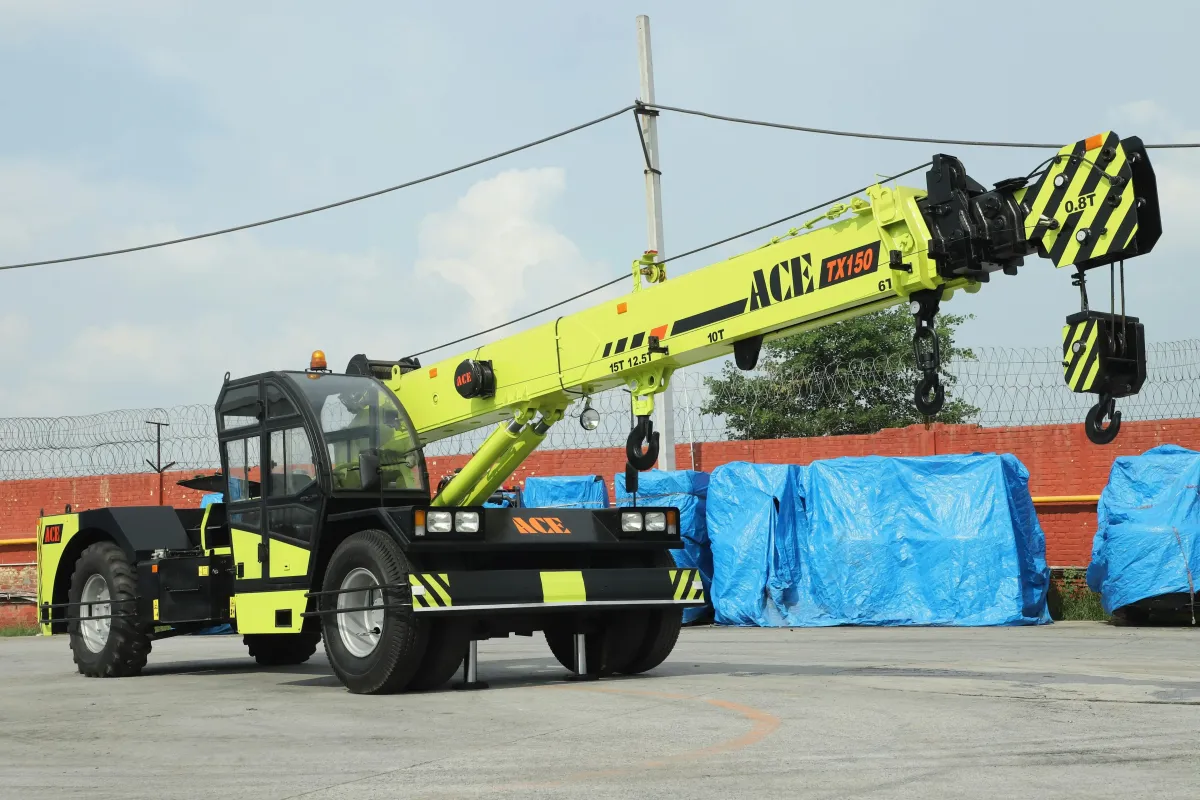
C2 Crane Ticket
The C2 crane ticket is the most common entry-level slewing crane licence in Australia, covering mobile cranes up to 20 tonnes - and the c6 crane ticket picks up where it leaves off, covering slewing mobile cranes up to 60 tonnes. Same family of crane, different capacity classes.
Shamrock Training in Northgate Brisbane runs all four slewing crane classes - C2, C6, C1, and C0 - delivered by trainers who have operated slewing cranes on real construction and civil projects across Queensland. If you've been told you need a slewing crane ticket and you're not sure which class applies to your work, call us before you book and we'll confirm it in five minutes.
How Long Does the Slewing Crane Course Take?
DURATION
5 days
PREREQUISITE
N/A
OUTCOME
C2/C6/C1/C0 licence
PRICE
TBD
Who Needs a C2 Crane Ticket?
Anyone required to operate a slewing mobile crane up to 20 tonnes as part of their work must hold a valid C2 High Risk Work Licence (TLILIC0022).
This includes:
Workers entering crane operations for the first time
Civil and construction workers who operate or will operate slewing mobile cranes on site
Anyone directed by their employer to hold a C2 HRWL.
The C2 covers slewing mobile cranes up to 20 tonnes - machines capable of rotating 360 degrees and lifting heavy loads across various angles on site. Holding a C2 HRWL also authorises you to operate non-slewing mobile cranes and vehicle loading cranes, making it one of the most versatile entry points into crane operation in Australia. Without a valid C2 HRWL, you cannot legally operate a slewing mobile crane on any Australian worksite.
Who Needs a C6 Crane Ticket?
Anyone required to operate a slewing mobile crane up to 60 tonnes must hold a valid C6 High Risk Work Licence (TLILIC0023).
This includes:
Workers currently holding a C2 licence who need to operate cranes beyond 20 tonnes
Workers on major civil, infrastructure, or mining projects where cranes up to 60 tonnes are in use
Anyone directed by their employer to hold a C6 HRWL.
The C6 also authorises you to operate lower-capacity slewing mobile cranes including C2 class, non-slewing mobile cranes, vehicle loading cranes, and reach stackers - making it a strong foundation for a long-term career in crane operations. After completing your assessment, you must apply directly to Workplace Health and Safety Queensland (WHSQ) for your licence within the required timeframe. A separate government fee applies.
What Is the Difference Between C2, C6, C1 and C0?
The difference is the maximum rated capacity of the crane. The C2 covers slewing mobile cranes up to 20 tonnes, the C6 covers up to 60 tonnes, the C1 covers up to 100 tonnes, and the C0 covers cranes over 100 tonnes. Higher classes generally include the lower slewing mobile crane classes. Shamrock Training runs C2 and C6 courses weekly. C1 and C0 are available - contact us to confirm scheduling and availability.
What the Slewing Crane Course Covers
Theory
Slewing crane types, fundamental concepts, and components.
Load calculations and movements - reading and applying load charts to real lift scenarios.
Lift planning - radius, height, and complex lift requirements.
Ground bearing pressure assessment and crane set-up requirements.
Supporting multi-crane lift operations.
Pre-operational crane check requirements.
Hazard and risk identification for slewing crane operations.
Safety regulations, standards, and WHS requirements for high-risk crane work.
Operator maintenance responsibilities.
Practical
Pre-operational crane checks.
Crane set-up - outriggers, levelling, and configuration for lifts.
Performing crane lifts at different radii and slewing positions.
Reading and applying load charts during live crane operations.
Communication and signalling - working with ground crew using whistle signals and hand signals.
Identifying and managing hazards during crane operations.
Operator maintenance on the crane.
Shutting down the crane and carrying out post-operational checks.
Not Sure If You Need a C2 or C6?
Call us with your crane model and its lifting capacity. We'll confirm whether you need C2, C6, C1, or C0 in five minutes. Booking the wrong class wastes your time and money - we sort that out before you book, not after.
Where We Train
Shamrock Training runs slewing crane courses from the Northgate Brisbane training centre, near Brisbane Airport. Workers travel from across Queensland for their C2 and C6 crane tickets. On-site training is available for project-based crews - contact us to confirm requirements and availability.
COURSE DETAILS
FAQs - C2 and C6 Crane Ticket
Who should enrol in a Slewing Mobile Crane course?
A Slewing Mobile Crane course is suited to people who want to build crane operation skills or progress further in the lifting industry. This may include truck drivers, dogmen, riggers, construction workers, or experienced operators looking to expand their licence options and take on more crane-related work.
Does a C2, C6, C1 or C0 licence allow me to operate other crane types?
A slewing mobile crane licence allows you to operate cranes within the class and capacity covered by that licence. Depending on the licence class, it may also support operation of certain related crane types, such as non-slewing mobile cranes or vehicle loading cranes. Contact Shamrock Training to confirm which licence class matches the crane you need to operate.
What will I learn in a Slewing Mobile Crane course?
Slewing Mobile Crane training covers the practical and safety skills needed to operate cranes on site. Training may include crane setup, operating techniques, load chart reading, pre-start checks, load factors, whistle and hand signals, radio communication, and workplace safety requirements.
What equipment or materials may be used during training?
Students may work with mobile crane equipment, lifting gear and training materials relevant to the course. This can include crane machinery, chains, slings, lifting beams, clamps, workbooks and other resources used to support theory and practical learning.
Do I need a driver’s licence to operate a slewing mobile crane on public roads?
To drive a crane on public roads, you may need the appropriate heavy vehicle licence, such as a Heavy Rigid licence, depending on the crane and road requirements. Contact Shamrock Training or the relevant transport authority to confirm the current licence requirements before operating on public roads.
Book Your Training in Brisbane
We run courses weekly from our Northgate training centre, with flexible weekday and weekend availability. Demand is high, especially before major project starts across key industrial areas. Have a question about which ticket suits your role? Check our FAQs → or get in touch directly.
Need on-site training? Our trainers can travel anywhere in Queensland.
RTO 45171
GET IN TOUCH WITH US
@ 2026 Shamrock Training. All rights reserved. Website developed by WebInteractive.com.au